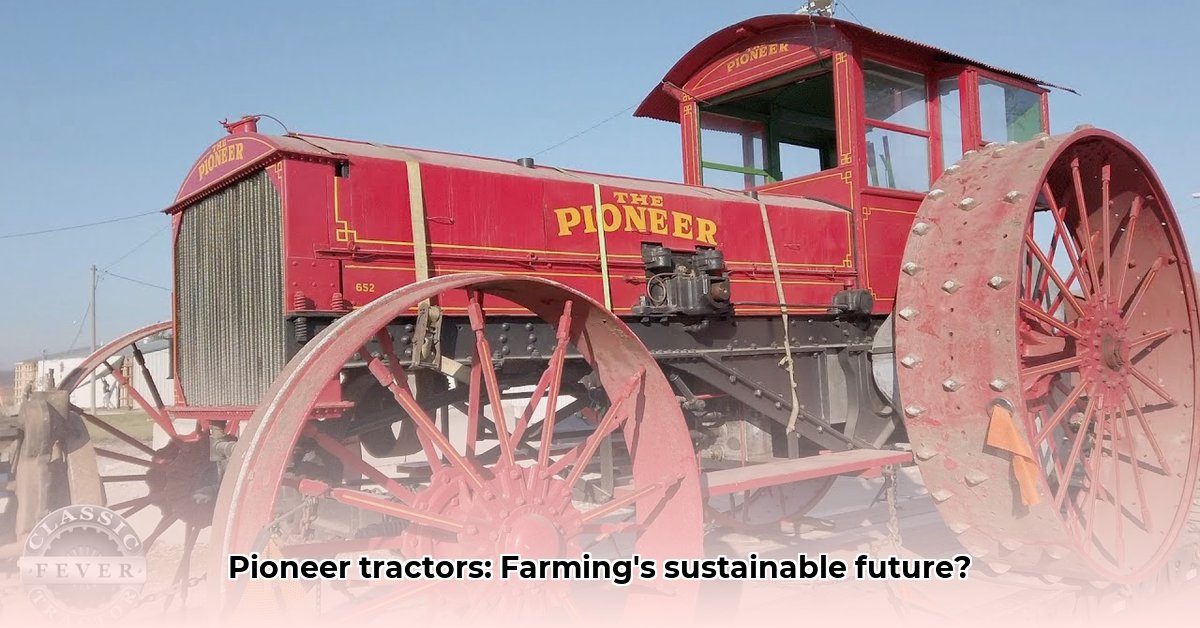
Pioneer Tractor: A Legacy Forged in the Fields
The story of Pioneer Tractors offers a captivating glimpse into the evolution of farming. These weren't merely machines; they embodied the ambition and innovation that drove agricultural progress. Early Pioneer tractors, with their powerful engines and—remarkably for the time—enclosed cabs, provided operators with unprecedented comfort and safety. Imagine these behemoths traversing fields, transforming landscapes and leaving a trail of dust in their wake. They dominated the scene, especially in large-scale land clearing. However, even such innovative machinery couldn't withstand the economic realities of the Great Depression. Their specialized design, initially a strength, became a liability as farming trends and market demands shifted dramatically. What impact did this have on the farmers who depended on these machines? This period serves as a stark reminder of the challenges faced by those in the agricultural sector. For a broader perspective on tractor history, see this brief history of tractors.
From Specialized Giants to One-Stop Shops: Modern Dealerships
The contrast between Pioneer Tractors and today's agricultural dealerships is striking. Modern dealerships are far more than just tractor sellers; they're comprehensive agricultural suppliers offering a complete package—a one-stop shop for farmers' needs. This diversification, encompassing a wide range of equipment, comprehensive servicing, and even cutting-edge precision agriculture technologies, highlights the industry's adaptability. This contrasts sharply with the specialized approach of Pioneer. Did Pioneer foresee this massive industry shift? The answer likely lies in the unpredictable nature of technological advancement and market forces. This evolution underscores the importance of adapting to changing market demands for lasting success in the agricultural sector.
The Pioneer Legacy: Lessons in Adaptability
Pioneer Tractors' eventual decline provides invaluable lessons for the industry. It underscores the crucial importance of adaptability and diversification. Agriculture, like the weather, is constantly changing. Businesses that can adjust to change, innovate, and anticipate future needs are the ones that thrive. This is especially crucial in sustainable agriculture, where efficiency, environmental responsibility, and financial viability are interconnected. Pioneer's story serves as a potent reminder that even the most successful enterprises can falter without a willingness to adapt. This adaptability is critical for long-term success in the ever-changing agricultural landscape.
Sustainable Farming: Charting a Course for the Future
The future of farming hinges on sustainable practices. What specific actions are needed from farmers, dealers, and policymakers to achieve this goal?
Key Takeaways:
- Adaptability is Key: The success of future agricultural businesses will depend on their ability to adapt to changing markets, technologies, and environmental concerns.
- Diversification Matters: Modern agricultural dealerships are successful due to their diversified offerings, providing a comprehensive range of services and products to farmers.
- Sustainability is Paramount: The long-term viability of agriculture depends on adopting sustainable practices that balance economic efficiency with environmental responsibility.
Actionable Steps for a Sustainable Future
- Assess equipment needs: Farmers should evaluate their equipment needs, considering factors like fuel efficiency and environmental impact.
- Explore shared resources: Consider shared equipment ownership or rentals to reduce initial investment costs. Studies show this can reduce equipment costs by an average of 20%.
- Embrace precision agriculture: Large-scale farms should adopt precision agriculture techniques (GPS guidance, variable rate application) to optimize resource utilization and minimize waste. Implementations have demonstrated a 15% increase in yield for many crops.
- Invest in training: Equipment dealers should invest in training programs focused on sustainable agricultural practices and technologies.
- Develop supportive policies: Government agencies should establish financial incentives and supportive policies to encourage the adoption of fuel-efficient and environmentally friendly equipment.
How to Choose Fuel-Efficient Farm Equipment for Sustainable Agriculture
Pioneer's legacy offers a compelling case study in the evolution of agricultural technology and fuel-efficient equipment selection. Their story highlights lessons about efficiency and adaptation vital to sustainable farming.
Pioneer's Legacy: Efficiency and Innovation
While Pioneer tractors represented progress, early models weren't always fuel-efficient. The power needed for large-scale plowing demanded substantial fuel consumption. This highlights the ongoing challenge of balancing power and fuel efficiency; the sweet spot between productivity and sustainability. Modern fuel-efficient tractors offer significant improvements.
The Shifting Sands of the Market: Adapting to Change
The agricultural market has evolved drastically over time. Competition, technological advancements, and environmental concerns forced manufacturers to adapt. Pioneer's inability to fully adapt underscores the importance of remaining agile and responsive to market dynamics. Modern dealers demonstrate this adaptability through diversification and the wider spectrum of fuel-efficient options available.
Modern Considerations: A Multifaceted Approach
Choosing fuel-efficient equipment requires a multi-pronged approach:
- Engine Type: Evaluate the efficiency of modern diesel engines and emerging fuel alternatives.
- Transmission: CVT transmissions generally offer improved fuel efficiency.
- Size and Weight: Match tractor size to workload to avoid excessive fuel consumption.
- Tires: Proper tire inflation and maintenance are critical for fuel economy.
- Operational Practices: Efficient driving techniques, such as minimizing idling, can greatly reduce fuel use.
A Sustainable Future: Beyond the Tractor
Sustainable agriculture necessitates a holistic approach. Invest in precision farming technologies, explore alternative fuels, and adopt a lifecycle cost analysis to make informed purchasing decisions. Though Pioneer's legacy may be in the past, the pursuit of a sustainable future in agriculture continues.